
Industry Group Secures Trade Clarification Supporting Circular Fashion
Sustained advocacy from the SMART industry group has helped to align U.S.-El Salvador trade rules with regards to textile reuse and remanufacturing
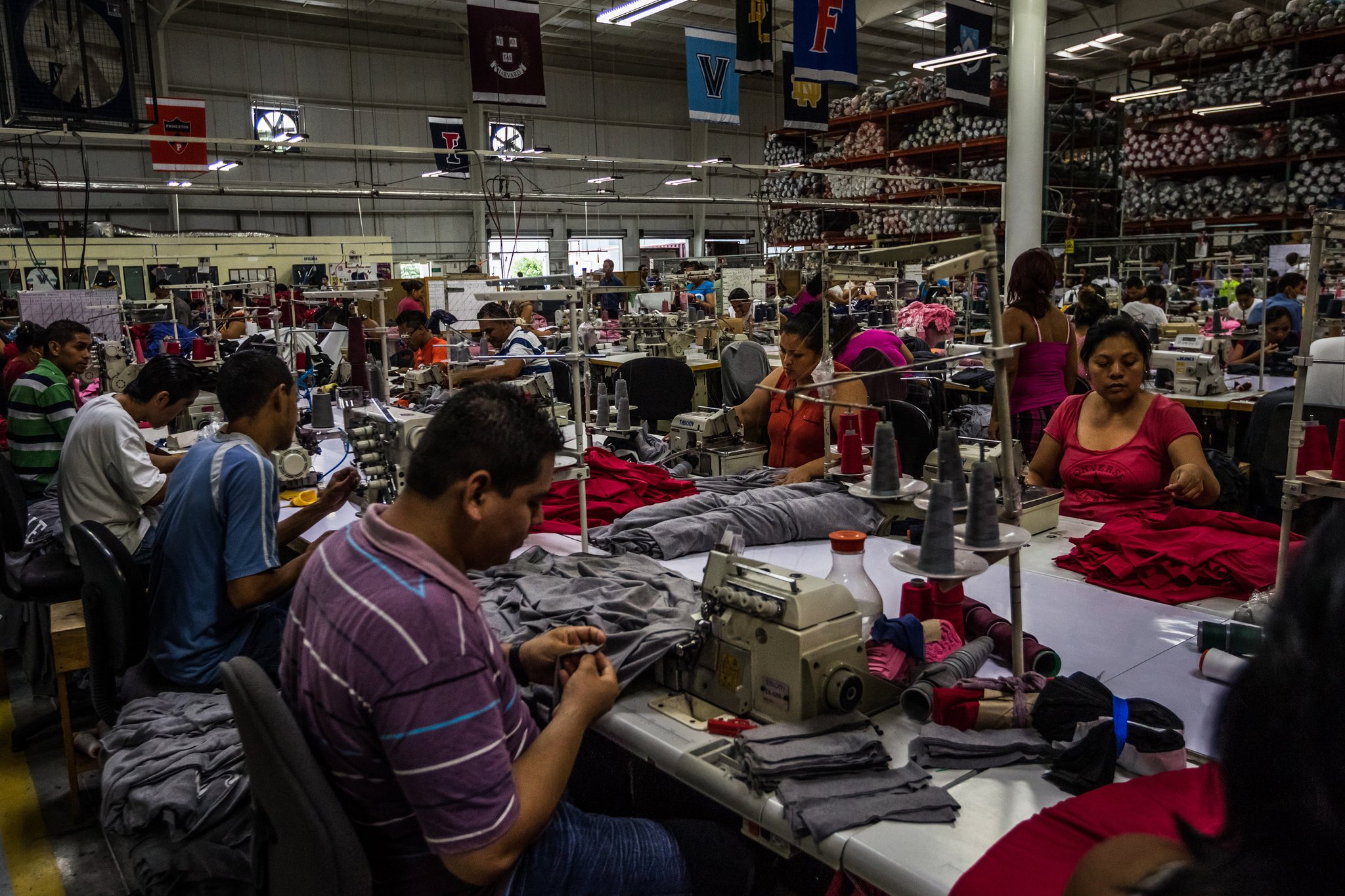
Image Credit: New York Times
Quick Summary
An industry-led advocacy effort has removed a practical barrier to circular fashion.
The Secondary Materials and Recycled Textiles Association (SMART) confirmed that, under the newly announced U.S.–El Salvador Agreement on Reciprocal Trade, used clothing classified under HTS 6309 will qualify for preferential treatment under CAFTA-DR when exported from the United States.
The clarification addresses flawed origin interpretations that created uncertainty for legitimate secondhand trade
It better reflects how reuse and circular manufacturing actually operate
It reduces risk for brands and manufacturers scaling reuse, remanufacturing, and upcycled production
It’s a practical policy win for the circular fashion industry.
What’s Changed
In its 2026 press release, SMART explained that its members importing used clothing into El Salvador had faced inconsistent interpretations of CAFTA-DR eligibility. Local officials indicated that used clothing did not qualify for preferential treatment because it failed to meet traditional rules of origin, creating barriers for legitimate reuse operations.
Following more than a year of engagement with U.S. trade officials, the updated agreement resolves that issue.
As SMART states, used clothing now qualifies for preferential treatment based simply on being exported from the United States, eliminating what it described as “flawed and burdensome origin requirements.”
For reuse and circular manufacturing, that distinction matters.
Why this Matters to Circular Fashion
At Beyond Remade, circularity is operational, not theoretical.
Reuse and remanufacturing don’t follow linear supply-chain logic. Materials have prior lives, and value is created through sorting, design, craftsmanship, and integration with existing manufacturing processes. When policy ignores that reality, circular programs slow down. When it aligns, scale becomes possible.
We follow this work closely through our parent organization, Bank & Vogue, which has long been aligned with SMART and its advocacy for the reuse and recycling sector.
Explore Collaboration

SMART’s sustained advocacy shows that policy can evolve when industry realities are clearly articulated. While the agreement has not yet entered into force, the announcement itself is a strong signal.
Circular fashion only scales when design, manufacturing, and policy move together.
If you’re exploring reuse, remanufacturing, or upcycled production and want to understand what this means in practice, we’d be happy to talk.